Tuesday, 7 August 2012

Tuesday, 21 February 2012
Scrap that.

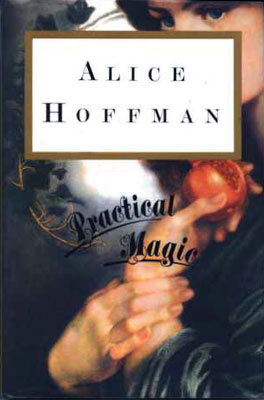
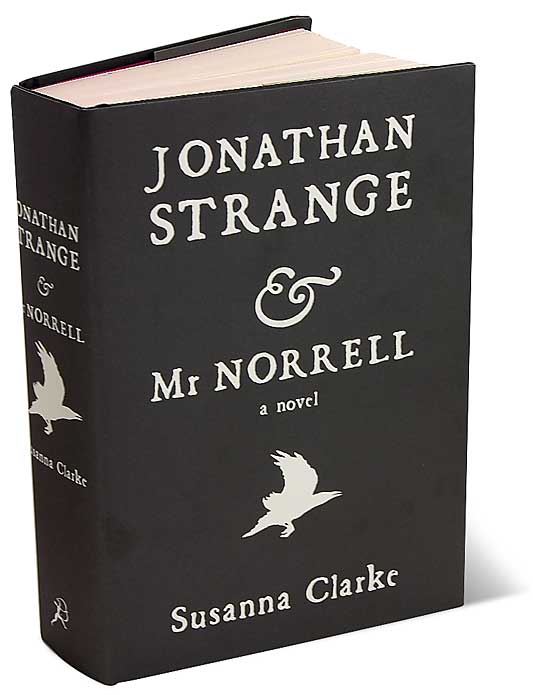
THIS is what I'm currently reading. I finished Jane Eyre at least! I 'll try to review all of them soon too!
Monday, 30 January 2012


Wednesday, 25 January 2012
Saturday, 17 December 2011
Friday, 16 December 2011
Wednesday, 23 November 2011
Monday, 24 October 2011
Sometimes the Star
Sometimes the Stars from The Audreys on Vimeo.
The story in this one is cute but I'm posting it mostly because I like the style.
The Lady and the Reaper
The lady and the reaper from Hormoz Zamanpour Siahkal on Vimeo.
I'm surprised I didn't blog this before.
Tuesday, 18 October 2011
Monday, 12 September 2011
Foolishly Seeking True Love
What a great film about SEEING and taking opportunities when you get the chance. Love it!
Story Structure

When I'm writing, I use the four act structure. I made this little chart for myself so that I may refer back to it if I ever need it. This is the way I understand it and how I've come to use it. My way may not be your way, but so long as you have a general understanding of the thing I don't think we need to get any more technical than this.
One should note, however, that of course there are no rules in writing! Just like there aren't any in most forms of art. Learn the 'rules' and then learn to break them. ;)
Here's a good definition of the four plot points from Story Fix.
The first box: Part 1 of your story… the Set-up.
The first 20 to 25 percent of your story has but a single mission: to set-up everything that is to follow. That job breaks down into a handful of things it needs to accomplish, all under the umbrella of that singular mission. It’s not there to fully present the story’s main antagonistic force, only to foreshadow it. Or, if it does show it at all, it shows only part of it.
Most importantly, the job of Part 1 is to establish stakes for what happens to the hero after Part 1. Here in Part 1 is where the reader is made to care about what happens next.
The second box: Part 2 of your story… the Response.
Every story has conflict, or its not a story at all. That conflict is what stands in the way of what the hero needs or wants in the story.
Part 2 is the hero’s response to the introduction of this new situation, as represented by the conflict itself. It’s too early to have them attack the problem; Part 2 is exclusively about a reaction to the antagonistic force.
In Part 2, the hero is a wanderer, staggering through a forest of options and risks, not sure where to go or what to do next.
The third box: Part 3 of your story… the Attack.
In Part 3 the hero begins to try to fix things. To attain the goal. They get proactive. It is here where they attack the obstacles. They conquer their inner demons to do things differently than before. They summon courage and apply creative thinking. They lead. They move forward.Meanwhile, the plot thickens – the antagonistic force is moving forward, too - and what the hero thought would work isn’t quite enough. They need more. More courage. More creativity. A better plan.
The wanderer has now become a warrior.
The fourth box: Part 4 of your story… the Resolution.
Part 4 shows how the hero summons the courage and growth to come forward with a solution to the problem, to reach the goal, to save the day or even the world, to attain the fame and riches associated with victory, and to generally beat down and conquer the story’s antagonistic force.
Tuesday, 6 September 2011
Into the Darkest Corner by Elizabeth Haynes

This is one fantastic read. The back and forth arcs of the main character, the story arc itself, the suspense and sometimes the sheer terror! I would write about it but I'm tired. Just know that I loved it and am re-reading it at the moment. It's just amazing. I had moments while reading this book, where I was afraid to turn the page because I was apprehensive about what might be waiting for me if I did. Note there that I said 'me' and not Cathy (the main character). Haynes totally and completely managed to convince me that it was me, not Cathy, going through all those horrible things. I was completely taken in. This is a great book that really gets into the mind of the reader and I recommend it!
Note to Self:
Take a small, simple idea and tell it in a way that makes it big and beautiful. - Me!
The more I study story, the more I recognise this as a starting device. Doesn't matter what type of story it is, nor what medium you decide to tell it with. What matters is how you tell it. It's the 'how' that will make your story effective, not the what.
The more I study story, the more I recognise this as a starting device. Doesn't matter what type of story it is, nor what medium you decide to tell it with. What matters is how you tell it. It's the 'how' that will make your story effective, not the what.
Subscribe to:
Posts (Atom)